

What is Autofiction and how do you turn Fact into Fiction?
Autofiction is a powerful form of writing where you can weave fact into fiction to create a fictionalised story of your life – based on true events.
Known in the past as Autobiographical Fiction, and now shortened to Autofiction, it is often described as a blend of autobiographical writing and fiction.
But I believe that by weaving Memoir Writing (not Autobiographical Writing) and Fiction together – this is what truly brings Autofiction to life.
Memoir and Autofiction
Sometimes there are incidents in our lives that we feel we just could not write about. And when writing memoir, these incidents can challenge us, even to the point where we stop writing altogether.
And from my 35 years of facilitating writing workshops, I have noticed it is very common when writing memoir, that there are many things from a person’s life that they do not want to write about.
It is understandable that it is not always easy to write the whole truth and nothing but the truth, and for various reasons, we hold back.
The reasons could vary in breadth and depth, such as:
- Not wanting to hurt another
- Fear of exposing yourself and being judged
- Changes that exposing an incident would inevitably bring
- It’s not the ‘right time’ for a particular experience to be shared
The good news is – the content of the above reasons makes for excellent Autofiction material!
Discover how to create a whole new fictionalised world from life experiences!

What Is Autofiction?
Autofiction is achieved by weaving personal life experience with imaginary fictional details. The outcome of embellishing personal experience allows the writer to explore and exaggerate an incident from their life in depth and detail, and creates great story while doing so.
The reader will not know what part of the story is the truth, and what is imagined.
This is how Autofiction is created. It is never referred to as memoir writing – because writing memoir is about writing 100% truth. You do not make up incidents when writing memoir, as you can do when writing Autofiction.
If one considered Autofiction as blending Autobiographical Writing with Fiction – the result would definitely not be the same as weaving Memoir Writing and Fiction together.
Here’s why: Autobiography is about strict facts, it has little emotion, if any, and ‘tells’ the reader about a life. It is not written as story (as memoir is).
In memoir writing, the reader comes to know the memoirist, the challenges in their life, their emotional truth and how they coped with personal life experiences. This depth is usually not entered into in autobiographical writing. This element of memoir writing makes for great content to embellish in Autofiction.
Therefore, weaving memoir writing with fiction has a much greater impact on the story, than trying to blend autobiographical writing with fiction.
And Autofiction is so much fun!
Writing Autofiction
Autofiction writing is a very powerful form of writing. It offers unlimited potential in terms of content and story.
Think about how many personal life incidents you have experienced that you could write about and weave into autofiction! Yes, the potential is unlimited.
Workshop participants agree with me that by learning how to write memoir improves their ability to write autofiction, and fiction in general. Strange but true.
I think this happens because through writing memoir one is more easily able to connect with the creation of story using personal life experiences, which ultimately results in a deep understanding of how story is created.
So it would appear that it is therefore easier to use personal life experiences as the basis to learn and understand story development and the creation of story. And once learnt, the story development process can then be used in the same way to develop autofiction and fiction.
Example of Autofiction
Autofiction: The Lovely Bones by Alice Sebold
Memoir: Lucky by Alice Sebold
Autofiction:
Alice Sebold wrote The Lovely Bones as Autofiction, using her personal trauma of being raped during her college years as base material.
Sebold choose to depict the main fictional character, Susie Salmon, as a 14-year-old, who does not survive an assault. Drawing from her own personal life experience and translating it into Autofiction allowed Sebold to explore the emotional reality of sexual violence, grief and survival.
Memoir:
Sebold acknowledges that she had to write Lucky, her memoir, first, to process her own story, before she was able to write The Lovely Bones as Autofiction.
Fact into Fiction Writing Tips
Autofiction Writing allows for a great sense of freedom, use it to the fullest on the page. You can change everything – turn you story from fact into fiction.
Allow your feelings to surface on the page. Remember you are creating a fictional character, so they can do anything! And they can do more (or less) than what actually happened.
Workshop participants agree with me that by learning how to write memoir improves their ability to write Autofiction, and Fiction in general. Strange but true.
Autofiction Exercise (1)
This is a brief outline of how to turn fact into Autofiction.
Note: This exercise will give you a flavour of how I approach writing development in The Memoir Writing Workbook. But due to the visual nature of the exercises in the workbook, I am unable throughout the following exercise to show you below how to visually represent the use of right-brain / left-brain techniques and exercises to develop your writing.
But the following exercises will help you to explore Autofiction, at this level.
Think of an incident in your life that you would not write about or include in your memoir, based on any of the following reasons:
*Not wanting to hurt another
*Fear of exposing yourself and being judged
*Changes that exposing an incident would inevitably bring
*It’s not the ‘right time’ for an experience to be shared
EXERCISE
- Pick one of the above.
- In your writing journal or on your computer, name the incident / personal experience that you don’t want to write about.
- Using bullet points, make brief concise notes on all the details you can remember about this experience, be as concise as possible. Do not go into long details at this point.
- Be totally honest with yourself. (No one else will read it, and you can destroy this page later if you want to). Do not edit your experience.
When completed, think about what this incident is really about, eg:
- Grief?
- Loss?
- Betrayal?
- Unrequited love?
- Deception?
- Control?
- etc….
Autofiction Exercise (2)
Now make up a character that this experience happened to. Like Alice Sebold did with the fictional character Susie Salmon in The Lovely Bones.
Stay true to the incident, the ‘feeling’ that you experienced. This is important.
But change / embellish / all the details you want to, eg:
- the country / city / village / house etc where the incident took place
- character’s background details, age etc
- exaggerate and embellish any detail about the incident and character
- the date / year it happened
Do the above as an exercise to start you free flowing about the factual incident you have chosen to write about as autofiction.
When you feel you have enough details and have ‘changed’ the overall details significantly, write two, three, four pages about the character and the experience.
Reread your writing.
Keep adding to and revising the development of your story and character.
Repeat the above exercise to evolve other incidents from your life that you can embellish and write about as Autofiction.
Note: This is a stand-alone exercise to help you understand part of the process of how to write Autofiction. It is not the complete answer, there are many other steps involved.
My advice is: If you want to write autofiction, learn memoir writing.
It is the secret to creating and writing a best seller!
Go Write!
Want a helping hand and guide to put this into practise?
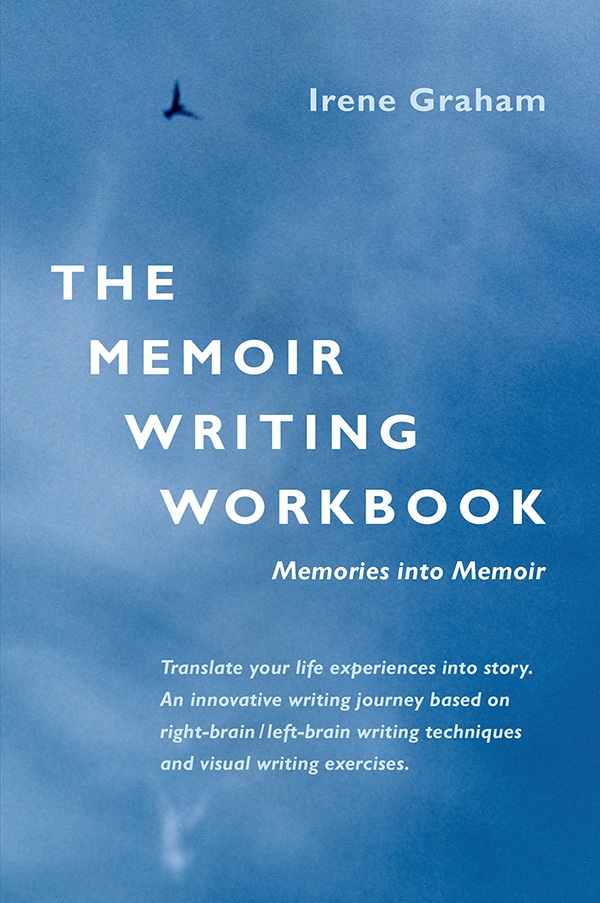
The Memoir Writing Workbook (240 pages) is based on right-brain/left-brain visual writing techniques. It has 36 multi-part focused exercises and 45 writing tips to help trigger memory and learn story creation. Each chapter with examples, show how to develop and write memoir, using the unique Memoir Map.
Do join Irene for a FREE LIVE Chat on How to Start a Memoir Writing Club
Or join Irene in her 12-week Online Memoir Writing Course or on one of her Writing Retreats
Join Irene's Blog
Get occasional writing tips, updates and news from Irene Graham and The Memoir Writing Club, straight to your inbox.